Why I Built the footwear Lab
I didn't set out to become obsessed with shoes.
In fact, it happened almost by accident.
After finishing my first marathon, I figured my feet and legs were in pretty good shape. I had logged hundreds of miles, considered myself a fairly experienced runner, and assumed that if there was one part of my body that didn't need much attention, it was my feet.
At the time, I was also dealing with some nagging knee and hip pain that I had simply accepted as part of running.
Out of curiosity, I bought a pair of Merrell Vapor Gloves to see what all the excitement around barefoot shoes was about.
I made it about seven minutes.
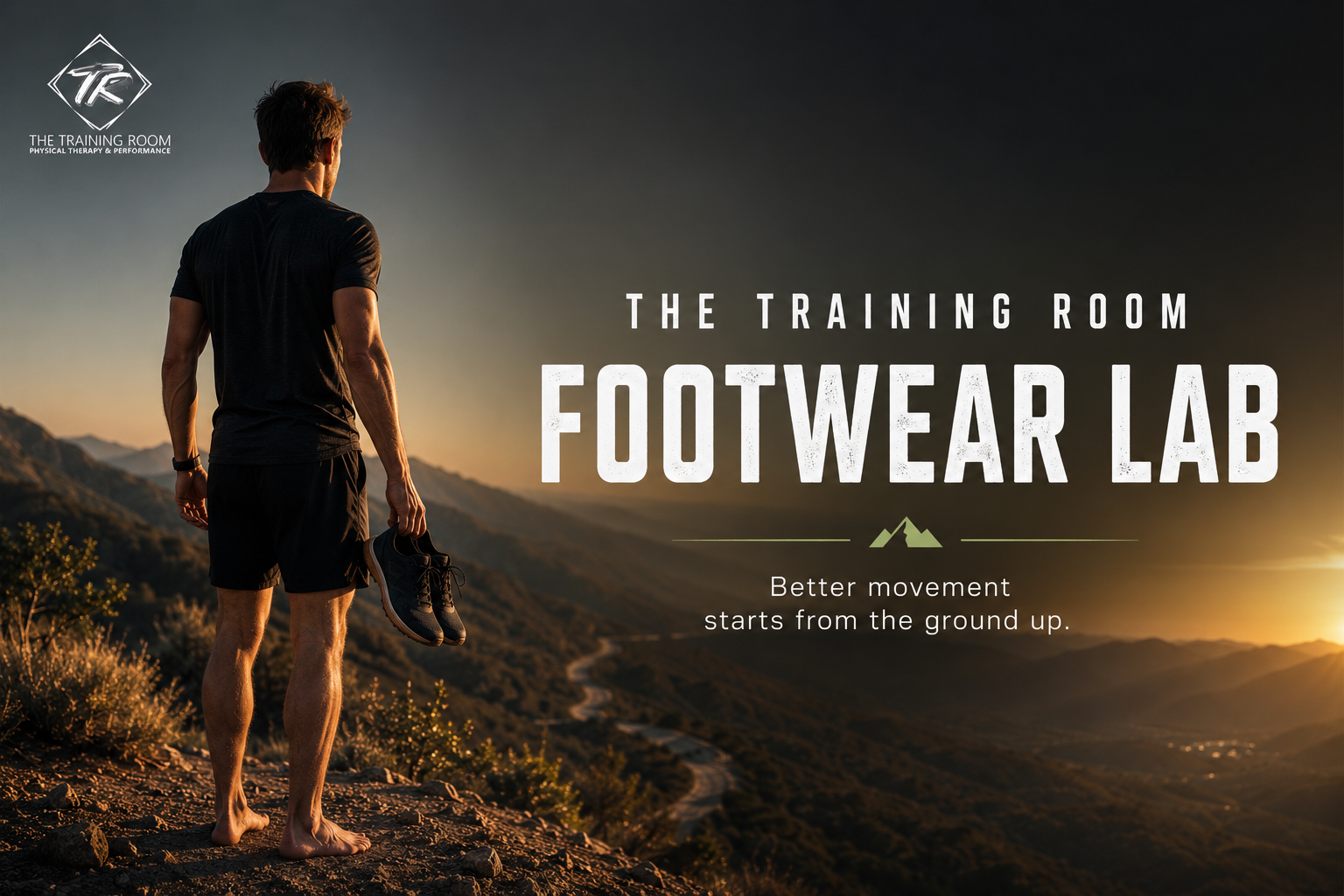
My knees actually felt better than they normally did, but my feet and calves were on fire. I couldn't believe how hard those muscles were working. How could someone who had just completed a marathon struggle to jog for a few minutes?
That experience completely changed the questions I was asking.
As a physical therapist, I wasn't interested in proving that barefoot shoes were "better." I wanted to understand why they felt so different.
That curiosity turned into months of researching biomechanics, reading scientific literature, comparing shoe construction, and exploring dozens of companies—many of which most people have never heard of.
What surprised me most wasn't that I found a "perfect" shoe.
It's that I realized there isn't one.
Every shoe asks something different of your body. Some prioritize cushioning. Others maximize ground feel. Some are built for hiking, some for lifting, some for long walks, and some simply give your toes the room they've never had before.
The more I learned, the more frustrated I became with the information available online. Most reviews focused on affiliate commissions, marketing claims, or personal opinions without explaining how a shoe might actually influence movement or who it was best suited for.
That's why I created the Training Room Footwear Lab.
This isn't a website dedicated to barefoot shoes.
It's a place to better understand how footwear affects the way we move.
Every review is approached through the lens of biomechanics, clinical experience, current research, and real-world practicality. I'll tell you where a shoe excels, where it falls short, who I think it's best for, and just as importantly, who I don't think should buy it.
Whether you're a runner, a parent shopping for your child, someone looking for a better shoe for work, or simply curious about why your feet hurt, my goal is the same:
To help you make better footwear decisions based on your body—not marketing.
Because better movement really does start from the ground up.